
What does it mean when someone asks, “What is your deen in Islam?” At first glance, it seems simple—almost like asking about a favorite color or food. But for Muslims, this question goes straight to the heart of belief and daily life. Deen in Islam isn’t just about rituals or faith, it shapes identity, choices, and relationships. It’s a way of viewing the world and walking through it.
The Meaning of Deen in Islam
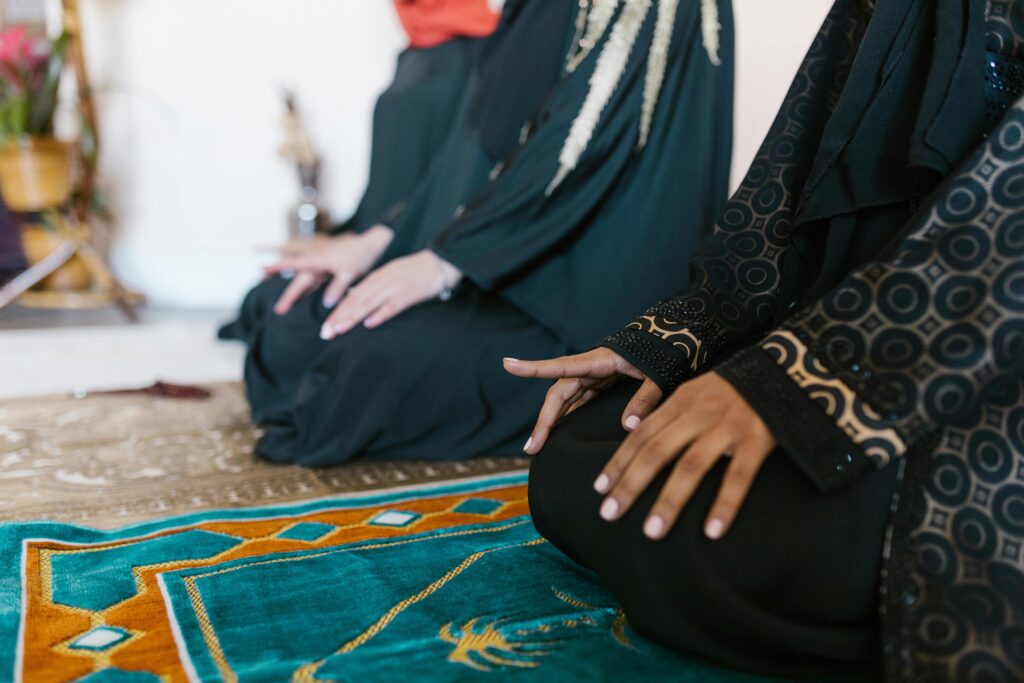
Deen comes from the Arabic language, and it’s often translated as “religion” or “faith.” But that’s just part of the story. The term “deen” is far richer, capturing the idea of a complete way of life. According to the Meaning of ‘Deen’ in Arabic, deen describes how a person relates to everything—God, people, work, and even nature.
Deen as Way of Life
When people think of religion, they might picture a set of rules or traditions. In Islam, deen is much broader. It’s like the air you breathe: always present, guiding every action and decision. It covers beliefs, daily habits, honesty, and how you treat others. It even shapes the way you greet someone or help a neighbor in need.
Difference Between Deen and Religion
It’s easy to mix up deen with the Western idea of “religion.” But religion usually points to specific practices or spiritual beliefs. Deen, as explained by Tehreek Dawat-e-Faqr, is a full system for living life. Religion may focus on rituals, but deen includes ethics, character, community, and law. It answers big questions—how should we live and why?
Spiritual and Practical Dimensions of Deen
Islam describes faith, worship, and daily conduct as deeply linked. Deen in Islam shapes both what Muslims believe and how they live moment-to-moment.
Core Beliefs and Practices
At the center of deen are faith in one God (Allah), belief in prophets, and practices such as prayer, fasting, charity, and pilgrimage. These aren’t just boxes to check—they anchor the heart, guide thoughts, and foster discipline. The combination of faith and action makes deen more than an abstract idea. It becomes visible in every choice.
Deen and Moral Character
Deen isn’t only about rituals; it’s also about personal character. Honesty, patience, fairness, and humility all grow from strong faith. When someone asks “what is your deen in Islam,” they’re also wondering: how do you carry yourself? Do you stand for justice even when it’s hard? Islam teaches that true faith shows up in daily actions, not just private moments of prayer. For a deeper look, read more here.
Why Is Deen Central to Muslim Identity?
The idea of deen is like the foundation of a house—it supports everything else. It’s not only personal but shapes how Muslims see and serve the world.
Building a Strong Foundation from Childhood
Children learn the importance of deen from a young age. Parents teach them to pray, speak kindly, and help others. These small acts become lifelong habits, creating a sense of meaning and responsibility.
Deen and Community Belonging
Deen connects individuals to the wider ummah, or Muslim community, across the globe. Shared prayers, festivals, and acts of charity remind everyone they’re part of something bigger. It gives a sense of dignity and belonging, empowering Muslims to meet the challenges of society with hope and resilience. The role of deen in community life is further discussed in this Wikipedia article.
Final Thought:
Deen in Islam weaves faith, practice, and character into a complete way of life. It isn’t only a set of beliefs or rituals—it’s the foundation of Muslim identity, guiding every decision and relationship. When you think about “what is your deen in Islam,” consider how it shapes your actions, values, and connection with others. Reflect on your own deen, nurture it, and let it grow every single day. Islamic concept of Deen and its significance